The phrase "AI in dating" gets used loosely. Here is what it actually means in the context of Pure — broken down into specific functions with concrete outcomes.
What neural networks actually do in Pure tools
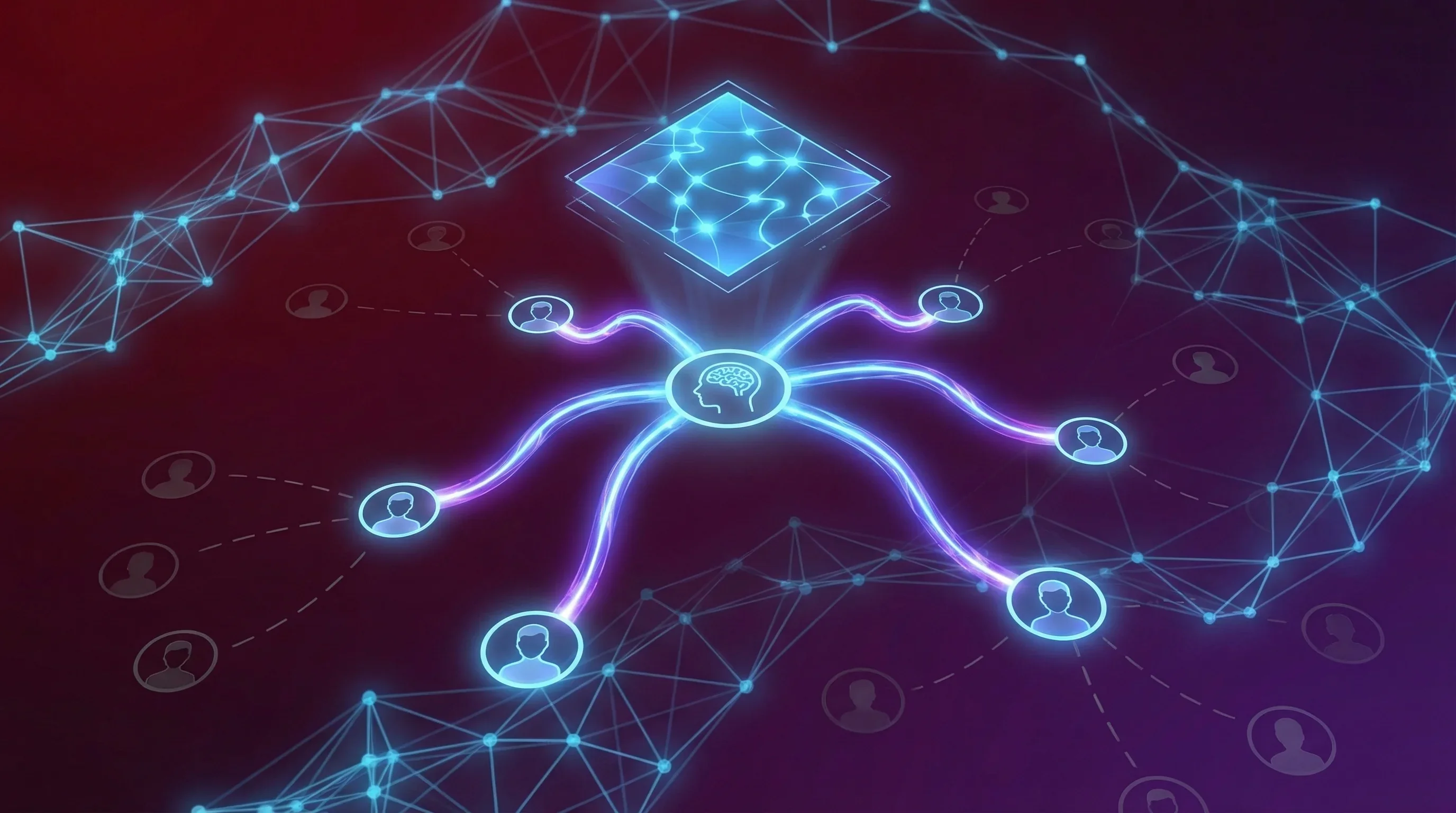
Modern AI systems applied to dating platforms operate at three layers:
1. Visual analysis
Computer vision models analyze profile photos — not to judge attractiveness, but to identify features that correlate with your expressed preferences. This includes age estimation, physical appearance attributes, and photo quality signals. The model learns from your interaction history: profiles you like teach it what to prioritize, profiles you skip teach it what to filter out.
2. Behavioral pattern matching
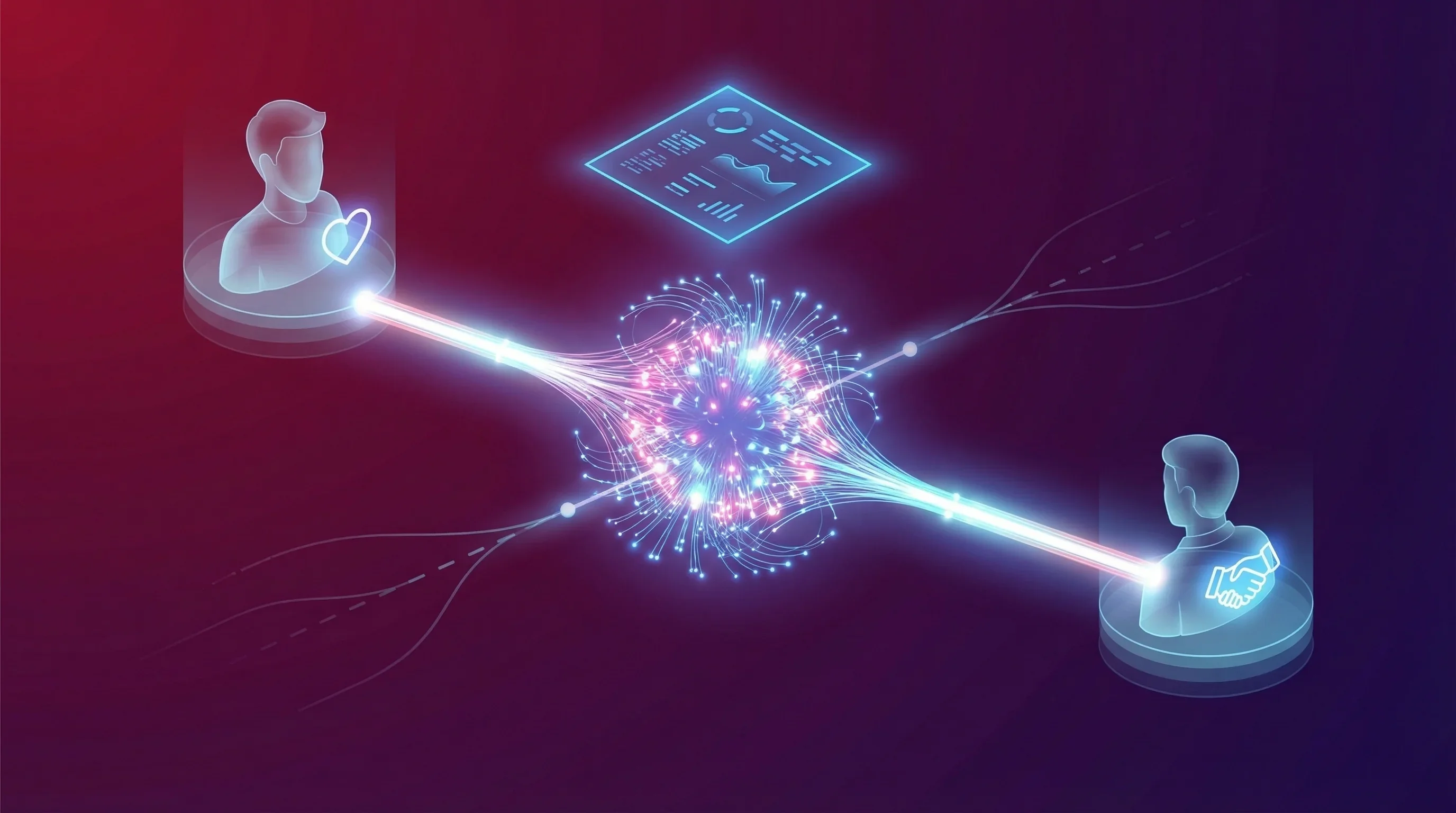
Beyond photos, neural networks analyze behavioral signals — how quickly someone fills out their profile, what words they use in their description, and interaction patterns. These signals help predict compatibility in ways that raw visual analysis cannot.
3. Activity automation
Neural networks also drive the automation layer — deciding when to interact with profiles, at what pace, and with what timing patterns to maintain natural-looking behavioral biometrics that do not trigger anti-fraud systems.
The practical difference for users
Without AI: you scroll through hundreds of profiles manually, making split-second decisions based on incomplete information, at the cost of significant time and attention.
With AI: the system processes profiles continuously, surfaces only high-relevance matches, and maintains the activity levels needed for algorithm visibility — autonomously.
"Neural networks do not replace human judgment in dating — they handle the filtering and volume work so human judgment gets applied to a much smaller, higher-quality set of options," explains Alex, an unban and tools specialist with 4 years of experience in the Pure ecosystem.
Read also: intelligent automation vs regular clicker and how AI profile filtering works.